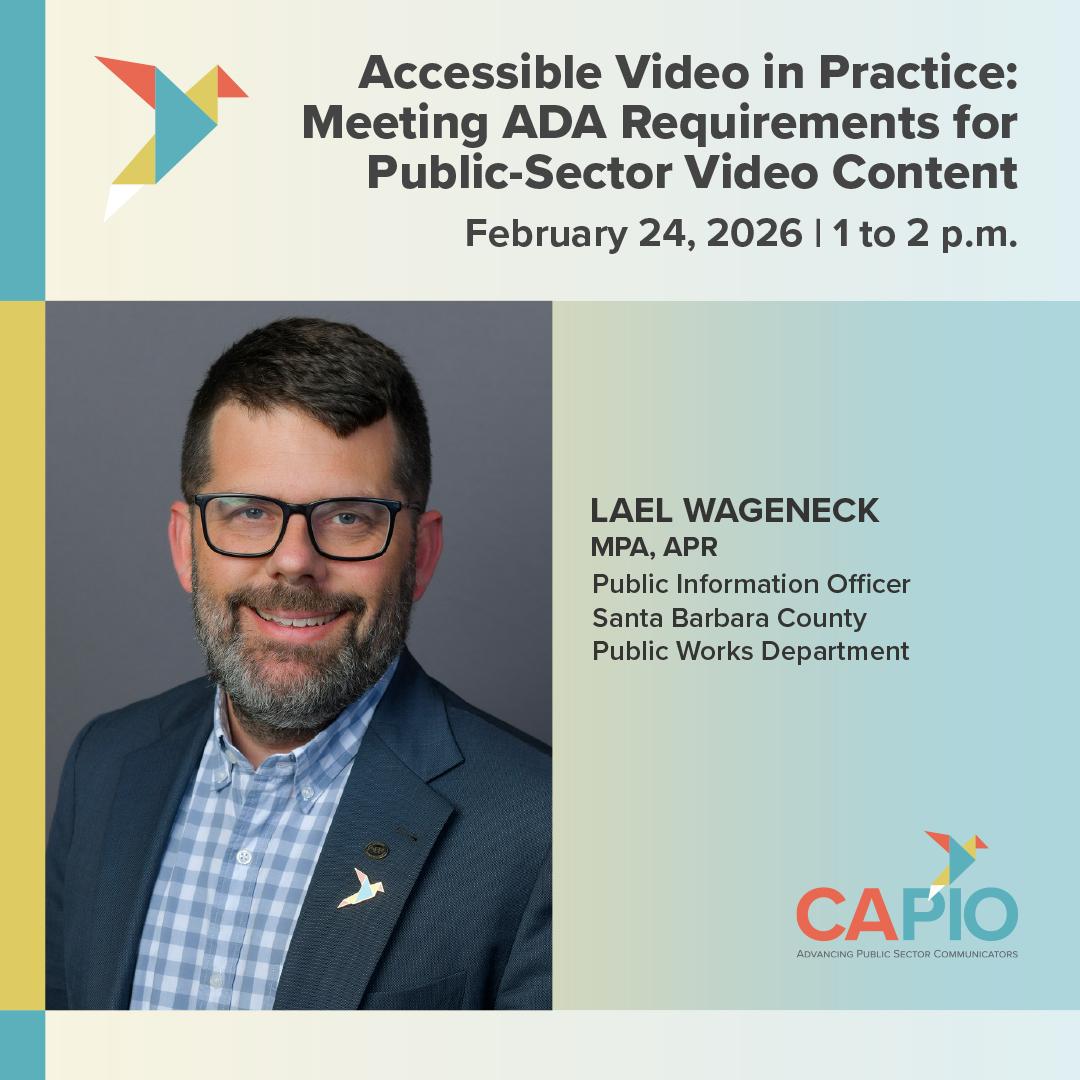
Accessible Video in Practice: Meeting ADA Requirements for Public-Sector Video Content
Power Lunch Webinar
As public agencies prepare for the April 2026 deadline to comply with updated ADA Title II digital accessibility requirements, including WCAG 2.1 Level AA standards, communicators play a critical role in ensuring that video content is accessible to all audiences.
This 1-hour tactical webinar is designed for public-sector communicators who create, manage, publish, or oversee video content across websites, social media, streaming platforms, and internal channels. The session focuses on practical, communicator-facing guidance to help agencies meet accessibility requirements for video without overwhelming production workflows or budgets.
Participants will gain a clearer understanding of core video accessibility requirements, including captions, audio descriptions, and accessible video players, as well as common pitfalls that can create barriers for people with disabilities. The session emphasizes real-world scenarios communicators face when producing video content under tight timelines, limited resources, and evolving platform standards.
What attendees will learn:
- Core ADA and WCAG accessibility requirements for public-sector video
- Captioning fundamentals, including accuracy, timing, and best practices
- When and how audio descriptions are required
- Common video accessibility mistakes and how to avoid them
- Practical tips for incorporating accessibility into existing video workflows
- Tools and resources to support accessible video production and publishing
Disclaimer: This session is intended to provide practical, communicator-focused guidance on accessible video best practices. It does not constitute legal advice or a comprehensive legal interpretation of ADA requirements.
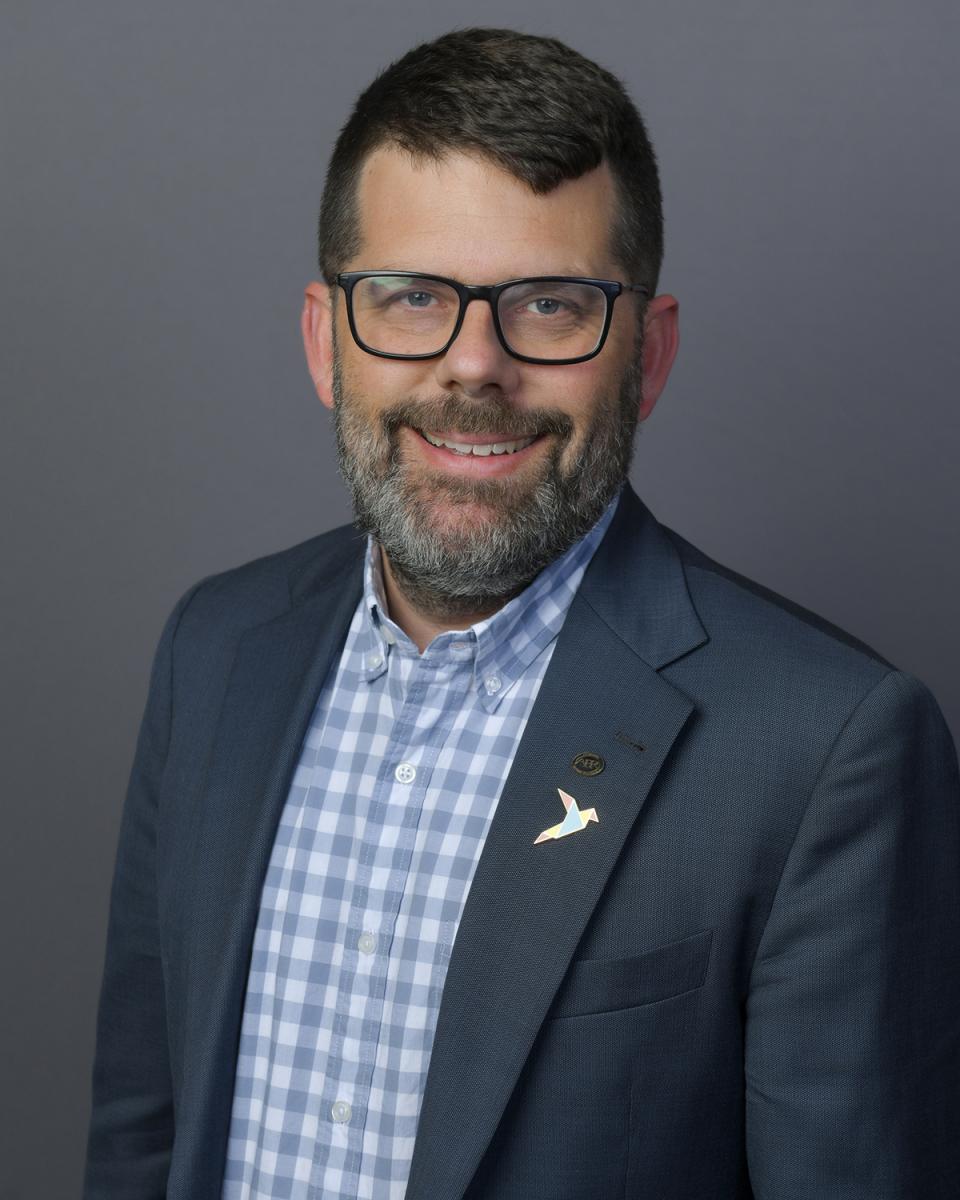
Speaker:
Date: February 24, 2026
Time: 1 to 2 PM
Cost: $30 CAPIO members/ Free for Professional+/$45 non-members
This session is good for:
APR Continuing Education Unit
SPEAKER BIO
Lael Wageneck, MPA, APR is the Public Information Officer for the Santa Barbara County Public Works Department which serves over 400,000 residents. He has 20 years of experience in media production, public relations and public administration, and has presented at many CAPIO conferences on topics from photography to ethics. He is a former CAPIO President and Central Regional Chair.